
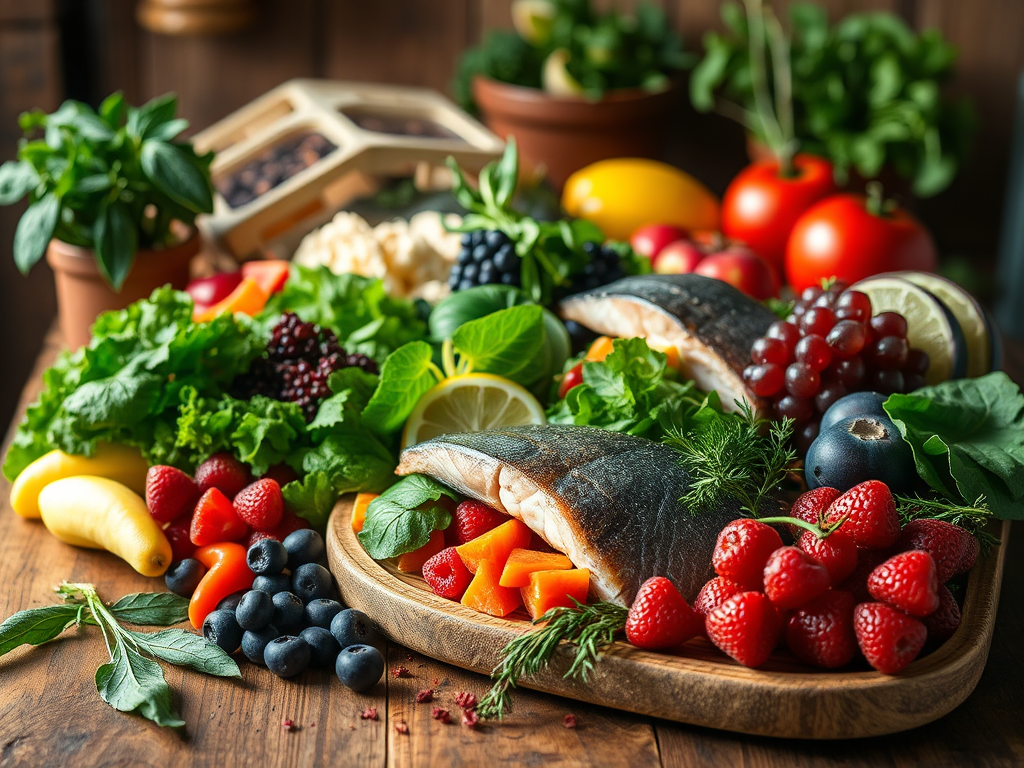
The Mediterranean diet has rightly earned its reputation as a gold standard for healthy eating, lauded for its role in reducing chronic disease and promoting longevity. And for good reason! It’s rich in fruits, vegetables, whole grains, healthy fats like olive oil, and lean proteins, all of which contribute to its well-documented benefits.
However, when it comes to maximizing longevity, a broader anti-inflammatory diet may offer an even more targeted and powerful approach. While the Mediterranean diet inherently possesses many anti-inflammatory qualities, a dedicated anti-inflammatory eating pattern emphasizes an even greater focus on combating systemic inflammation, a silent killer increasingly linked to age-related diseases and a shortened lifespan.
The Silent Threat: Chronic Inflammation
Inflammation is the body’s natural defense mechanism, crucial for healing and fighting off infections. But when inflammation becomes chronic – a persistent, low-grade state of immune activation – it can silently wreak havoc on our cells and tissues. This chronic inflammation is a key driver in the development and progression of many age-related conditions, including:
- Cardiovascular disease: Inflammation contributes to plaque buildup in arteries.
- Type 2 Diabetes: It can worsen insulin resistance.
- Neurodegenerative diseases: Alzheimer’s and Parkinson’s have inflammatory components.
- Cancer: Chronic inflammation can fuel tumor growth.
- Arthritis: It’s at the core of joint pain and damage.
- Obesity: Adipose tissue itself can be pro-inflammatory.
By actively reducing this chronic inflammation, an anti-inflammatory diet aims to tackle the root cause of many age-related ailments, potentially offering a more direct path to a longer, healthier life.
Where the Anti-Inflammatory Diet Takes the Lead
While the Mediterranean diet is undoubtedly an anti-inflammatory powerhouse, a more specific anti-inflammatory diet takes these principles further by:
- Hyper-focus on Anti-Inflammatory Compounds: It places an even greater emphasis on foods packed with specific anti-inflammatory compounds like:
- Omega-3 fatty acids: Found abundantly in fatty fish (salmon, mackerel, sardines), flaxseeds, and chia seeds. These fatty acids are metabolized into powerful anti-inflammatory mediators called resolvins and protectins. (Source: PMC – PubMed Central, “Anti-Inflammatory Properties of Diet: Role in Healthy Aging”)
- Polyphenols and Antioxidants: A wider variety and higher intake of colorful fruits, vegetables, herbs, and spices are encouraged. Think berries (anthocyanins), turmeric (curcumin), ginger, dark leafy greens (vitamins A, C, K), and even dark chocolate (cacao). These compounds neutralize harmful free radicals and modulate inflammatory pathways. (Source: Continental Hospitals, “Top Anti-Inflammatory Foods to Reduce Aging and Promote Longevity”; Health.com, “12 Essential Anti-Inflammatory Foods To Support Your Health”)
- Dietary Fiber: Whole grains, legumes, fruits, and vegetables contribute to a healthy gut microbiome, which in turn produces anti-inflammatory short-chain fatty acids. (Source: PMC – PubMed Central, “Overview of anti-inflammatory diets and their promising effects on non-communicable diseases”)
- Strict Avoidance of Pro-Inflammatory Foods: While the Mediterranean diet discourages processed foods, an anti-inflammatory diet is often even more stringent in limiting or eliminating:
- Refined carbohydrates and added sugars: These can spike blood sugar and promote inflammation.
- Processed meats and excessive red meat: Linked to increased inflammatory markers.
- Unhealthy fats: Trans fats and excessive saturated fats found in fried foods and many processed snacks. (Source: Mayo Clinic Health System, “Want to reduce chronic inflammation? Start with your grocery list”)
- Targeting Biomarkers of Inflammation: Research suggests that a highly anti-inflammatory diet can lead to reductions in key inflammatory biomarkers in the body, such as C-reactive protein (CRP) and interleukin-6 (IL-6), which are indicators of systemic inflammation. (Source: Arthritis Foundation, “Anti-Inflammatory Diet Do’s and Don’ts”; ResearchGate, “Anti-inflammatory effects of the Mediterranean diet: The experience of the PREDIMED study”)
The Evidence for Longevity
While the Mediterranean diet has strong evidence for longevity, with studies showing its adherence linked to longer telomeres (indicators of cellular aging) and a lower risk of all-cause mortality (Source: Brigham and Women’s Hospital, “New Evidence that a Mediterranean Diet May Lead to a Longer Life”; Harvard Gazette, “Women who follow Mediterranean diet live longer”), the principles of an anti-inflammatory diet underpin many of these benefits.
The explicit focus on reducing inflammation addresses a fundamental process of aging. By actively reducing inflammatory load, an anti-inflammatory diet aims to:
- Protect cells from oxidative stress and damage: Leading to healthier cell function and slower aging.
- Improve immune function: A well-regulated immune system is crucial for healthy aging.
- Reduce the risk of chronic diseases: Directly impacting the major causes of morbidity and mortality.
In essence, while the Mediterranean diet is a fantastic model, a tailored anti-inflammatory diet takes its strengths and amplifies them, offering a more deliberate and potentially more potent strategy for extending healthspan and lifespan by directly combating the pervasive threat of chronic inflammation.
Ultimately, both approaches advocate for whole, unprocessed foods and a plant-forward eating style. However, for those seeking to maximize their longevity potential, understanding and actively implementing the principles of an anti-inflammatory diet may offer a powerful edge in the quest for a longer, healthier life.
